

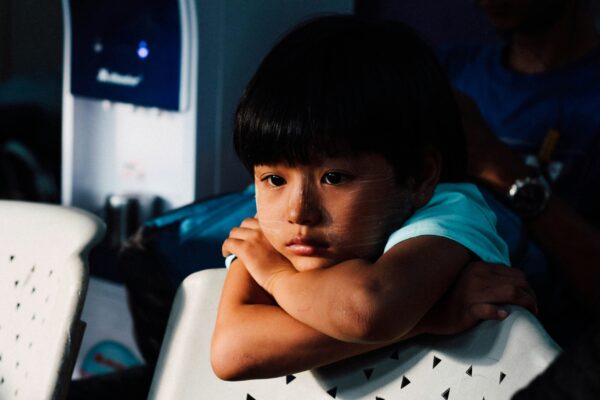
5 Signs Your Child may be Struggling After Trauma
5 Signs Your Child May Be Struggling After a Traumatic Experience
Many children experience difficult or frightening events at some point in their lives. While some children recover with time and support, others may continue to struggle emotionally or behaviorally. Trauma can affect how a child feels, thinks, and interacts with the world around them.
Recognizing the signs early can help parents get the right support and help their child begin to heal.
What Is Childhood Trauma?
Childhood trauma is events, big or small, that the child experienced as a threat to themselves or to someone they care for. What matters is the child’s experience. Even when events may not appear to be as concerning to adults, while they could have left a frightening impression on a child. For example, a child witnessed the loss of someone they are close to can be traumatic, even if the loss was expected. Other events that could be classified as trauma include witnessing any level of violence, serious accidents, medical procedures, and physical abuse or domestic violence.
Every child processes experiences differently. As noted previously, small or brief moments that went unnoted to an adult could leave a negative and lasting traumatic impact on your child. Below we are going to give you 5 signs your child may be struggling after a trauma.
5 Signs a Child May Be Struggling After Trauma
1. Changes in Mood or Behavior
Children who are struggling with the effects of trauma may act very differently than they did before those impacting events. When you see any of the following symptoms – take note.
- Increased irritability or anger
- Withdrawal from family or friends
- Loss of interest in activities they once enjoyed
- Increased clinginess or separation anxiety
2. Sleep Problems or Nightmares
Trauma can affect a child’s sense of safety, which is often revealed at bedtime. If there has been a sudden shift in night time comforting by your child, or a change in their comfortability in sleeping over at relatives or friend’s homes this could be an indicator for concern.
Sleep struggles can be any of the following:
- Difficulty falling asleep
- Frequent nightmares
- Fear of sleeping alone
- Nighttime anxiety
3. Increased Anxiety or Fear
Children who have experienced trauma may become more alert to possible dangers. This is a part of the fight or flight response that we see in any person who has gone through a traumatic event. Their neurological system can shift into high gear in order to prevent being hurt again, causing a surge in anxious feelings and behaviors.
Examples of this can include:
- Jumpiness or being easily startled
- Worrying about something bad happening
- Avoiding certain places or situations
- Strong reactions to reminders of the event
4. Trouble Concentrating at School
Trauma affects attention and memory due to the brain shifting into a survival mode for self protection. Specifically, the amygdala becomes hyperactive while the hippocampus is suppressed. This ultimately suppresses the parts of the brain that support executive functioning and rational thought.
Your child may begin showing the following shifts:
- Difficulty focusing
- Declining grades
- Trouble completing assignments
- Increased frustration with schoolwork
5. Physical Complaints Without Clear Medical Cause
In many cases, children express emotional distress through physical symptoms. This is due in part to having limited emotional vocabulary or recognition of the impacts that the environment has on them.
These health complaints can include:
- Stomachaches
- Headaches
- Fatigue
- Feeling sick before school or certain activities
When Should Parents Seek Support?
Research shows that treatment is most effective when provided as soon as possible after the event occurs. Consider seeking professional help if:
- Symptoms last longer than a few weeks
- Behaviors are getting worse instead of better
- Your child seems overwhelmed by emotions
- Daily functioning at home or school is affected
Connect with a Therapist
Trauma Therapy for Children in Denver, Concord, and Mooresville, NC
Providing care and treatment for children who have been exposed and are struggling to process traumatic events is crucial to improving their life outcomes. When treatment is not provided, long lasting emotional and behavioral health struggles can persist. There are multiple approaches for children’s treatment that are geared towards their developmental needs.
Treatment approaches include
- Trauma Focused Cognitive Behavioral Therapy (TFCBT)
- Play and Art Therapy
- EMDR
- Cognitive Processing Therapy
If your child has experienced a traumatic event and continues to struggle, it’s important to know that you don’t have to navigate this alone—support is available. With the right care, children can begin to make sense of what they’ve been through in a safe and supportive environment. Trauma-focused therapy helps children process difficult experiences, build healthy coping skills, and regain a sense of safety and stability. Over time, this support can empower them to move forward with greater confidence, resilience, and hope for the future.
Related Posts

Understanding Anxiety in Teens
Anxiety in Teens....What is going on? Anxiety during the teenage years...

Supporting Teens Mental Health
A Guide to Supporting Teen Mental Health If you are a parent of a teenager, you...

5 Signs Your Child May Need Trauma Support
Nightmares, Anxiety, and Big Emotions? 5 Signs Your Child May Need Trauma...